Efficient building operation within modern facility management requires more than just reacting to issues. It depends on proactive prevention strategies that ensure long-term performance and safety. In daily practice, facility management teams, including specialists from For Assets, deal with recurring technical challenges that require systematic solutions. Proper building maintenance, regular technical inspections, and professional servicing of installations play a key role in reducing costly downtime and enhancing user safety.
Most common faults and failures
In facility management, the most frequent issues are related to failures and defects in technical installations. Electrical systems are particularly vulnerable. Overloads, short circuits, and worn protective components can lead to serious breakdowns and even fire risks, making regular maintenance essential.
Another major area includes water and drainage systems. Leaks, blocked risers, and pipe failures not only affect user comfort but can also cause significant structural damage. HVAC systems are equally critical. Without regular servicing, their performance decreases, energy costs rise, and indoor air quality deteriorates.
Facility management also covers lifts, fire safety systems, and structural elements. Even minor defects, if not properly managed, can escalate into major failures requiring expensive repairs and disrupting building operation.
How facility management prevents failures
Professional facility management delivered by For Assets is built on structured and systematic technical maintenance. Regular inspections are fundamental, as they allow early detection of wear and potential risks.
Technical inspections in modern facility management include comprehensive checks of electrical systems, plumbing, ventilation, and safety installations. This approach ensures that faults are identified early and resolved before they develop into major problems.
Another key element is professional installation servicing carried out by qualified specialists. This includes repairs as well as preventive actions such as cleaning, adjustment, and replacement of worn components. Thanks to this approach, For Assets supports long-term efficiency and reliability of building systems.
The role of monitoring and rapid response
Advanced monitoring is an essential part of modern facility management. Continuous supervision of system performance allows facility managers to detect irregularities in real time and respond immediately before issues escalate.
Rapid response is equally important. Emergency technical support provided by For Assets ensures immediate intervention in case of failure, helping to minimise damage and reduce downtime. This combination of monitoring and fast reaction significantly improves operational continuity.
Summary
Effective facility management focuses on prevention rather than reaction. Systematic maintenance, carefully planned inspections, professional servicing, and continuous monitoring significantly reduce the risk of failures.
As a result, buildings managed by For Assets operate efficiently, safely, and cost effectively, providing users with reliable and uninterrupted functionality. This preventive and strategic approach is the foundation of modern facility management and a key factor in increasing the long-term value of any property.
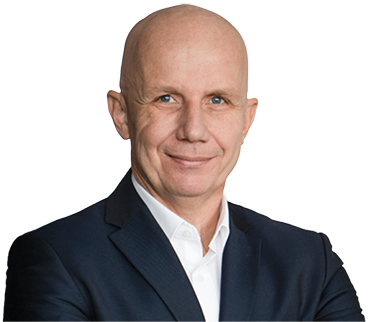

Maciej Kamiński
prezes zarządu For Assets Sp. z o.o.